
A profit distribution, not payment for work
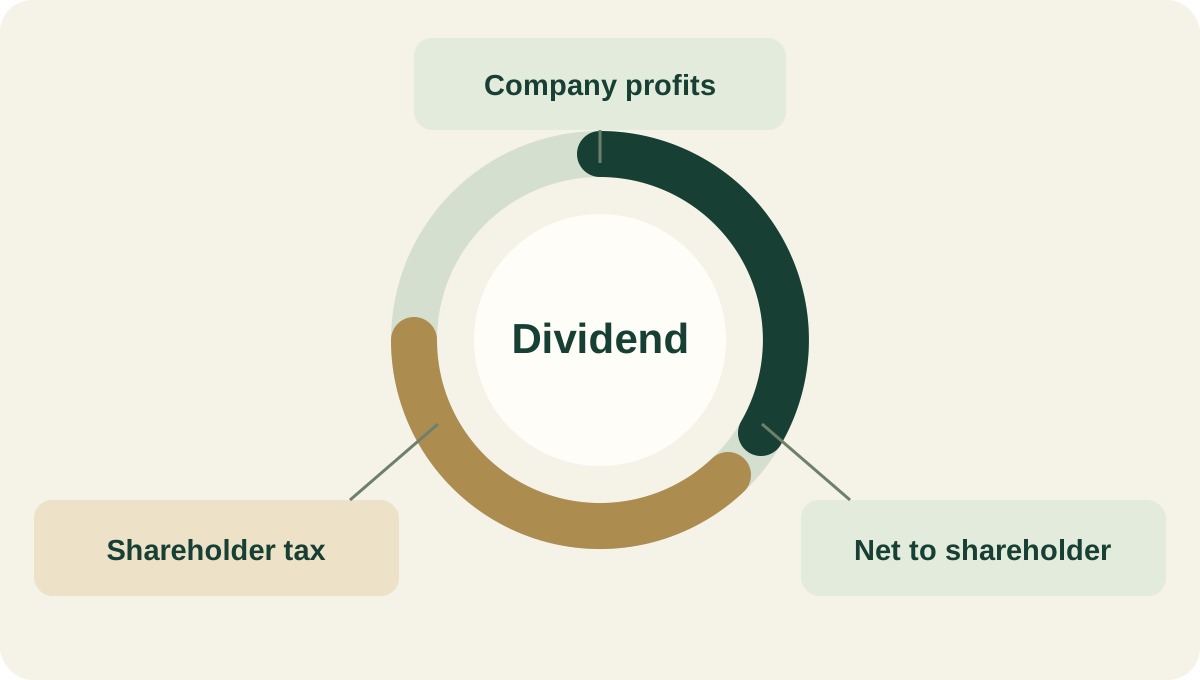
A dividend distributes profits to shareholders; salary pays for work. An ordinary dividend to an individual is subject to a basic rate of 25%, or 30% for a substantial shareholder, before surtax. These are statutory rates based on classification, unlike progressive salary tax bands.
What about surtax?
A 3% surtax may also apply to the portion of taxable income above the statutory threshold. From 2025, an additional 2% tax may apply to capital-source taxable income above the relevant threshold. Total taxable income and capital-source income must therefore be checked separately; 5% is not automatically added to every dividend.
What changed under the undistributed-profit legislation?
The rules effective from 2025, sometimes called the “trapped profits” legislation, require a review of profits retained in closely held companies and the statutory alternatives. They do not mean that every company must distribute all its profits. Check whether the rules apply, the company’s needs and tax at owner level before deciding.
Check before transferring
Establish that the distribution is permitted, document the decision and arrange withholding and reporting. Withholding does not necessarily settle the final liability. This explanation covers ordinary dividends to individuals; special regimes and specific rates require separate review.
Keep exploring
Sources and further information
- Tax Authority 2025 guide — dividend income ↗
- Knesset document — distribution rules, sections 301–303 ↗
- Tax Authority — income attribution and dividend alternative ↗
- Tax Authority — undistributed profits, 2026
- Knesset — surtax amendment effective from 2025
General information, not a substitute for individual advice. Earlier-year sources explain principles only; their annual amounts and deadlines have not been carried forward.